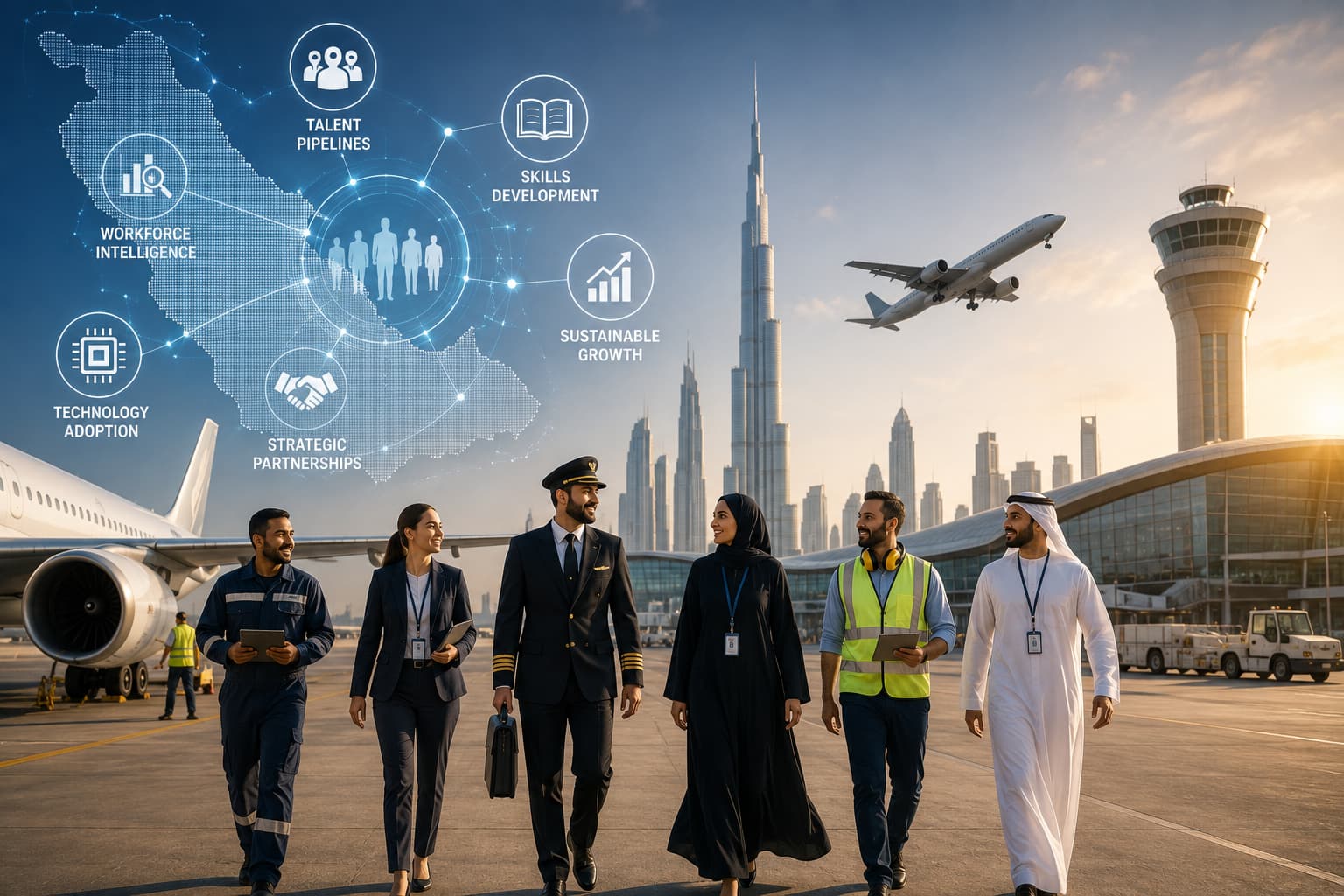

Over the past decade, Middle East airlines have quietly transformed from regional carriers into some of the most influential aviation employers in the world. Today, airlines based in the Gulf are not just flying passengers across continents — they are shaping how aviation jobs are structured, skilled, and valued globally.
From cockpit standards to cabin crew training, from airport operations to engineering talent, the hiring practices of Middle East airlines are setting benchmarks that the rest of the industry is increasingly following.
As global aviation moves into 2026, understanding this influence is essential for both aviation professionals and employers worldwide.
The Rise of Gulf Carriers as Global Aviation Leaders
Middle East airlines did not grow by accident. Strategic geographic positioning, long-term government support, and aggressive investment in fleet and infrastructure allowed Gulf carriers to build hub-and-spoke networks that connect East and West seamlessly.
Over time, this operational scale translated into hiring power. Today, Middle East airlines are among the largest global recruiters of:
- Pilots across multiple aircraft types
- International cabin crew teams
- Engineering and maintenance specialists
- Airport operations and ground handling professionals
What makes their influence unique is not just hiring volume — it is standardisation. When a Gulf carrier defines a hiring requirement, it often becomes a reference point for airlines elsewhere.
How Middle East Airlines Are Redefining Aviation Skills
Middle East airlines hire for global readiness, not just local operations. This has reshaped what being “job-ready” means in aviation.
Across roles, Gulf carriers consistently prioritise:
- Strong safety discipline and procedural compliance
- Cultural adaptability and communication clarity
- Ability to operate under long-haul, high-pressure environments
- Comfort with advanced aircraft systems and digital workflows
This influence now extends beyond the region. Airlines in Asia, Africa, and Europe increasingly mirror these expectations when recruiting aviation talent.
Cabin Crew Hiring: Setting the Global Standard
No role reflects Middle East influence more clearly than cabin crew recruitment. Gulf airlines transformed cabin crew hiring into a globally structured and highly competitive process.
Their emphasis on service consistency, safety-first training, grooming standards, and passenger handling excellence has raised expectations worldwide.
For many professionals, experience with Middle East airlines has become a career accelerator, opening doors to international aviation opportunities long after they move on.
If you are exploring cabin crew careers, you can find verified opportunities and guidance on Aviation Indeed’s aviation job portal.
Pilot Demand and Fleet Expansion Impact
Middle East airlines continue to place some of the largest aircraft orders globally. Wide-body fleets, long-haul routes, and next-generation aircraft have created sustained demand for pilots across experience levels.
This has resulted in:
- Increased international competition for type-rated pilots
- Higher emphasis on simulator readiness and fleet familiarity
- Rising training and assessment standards worldwide
For pilots, Gulf hiring trends often act as early indicators of where global demand is heading next.
Engineering, MRO, and Technical Talent Migration
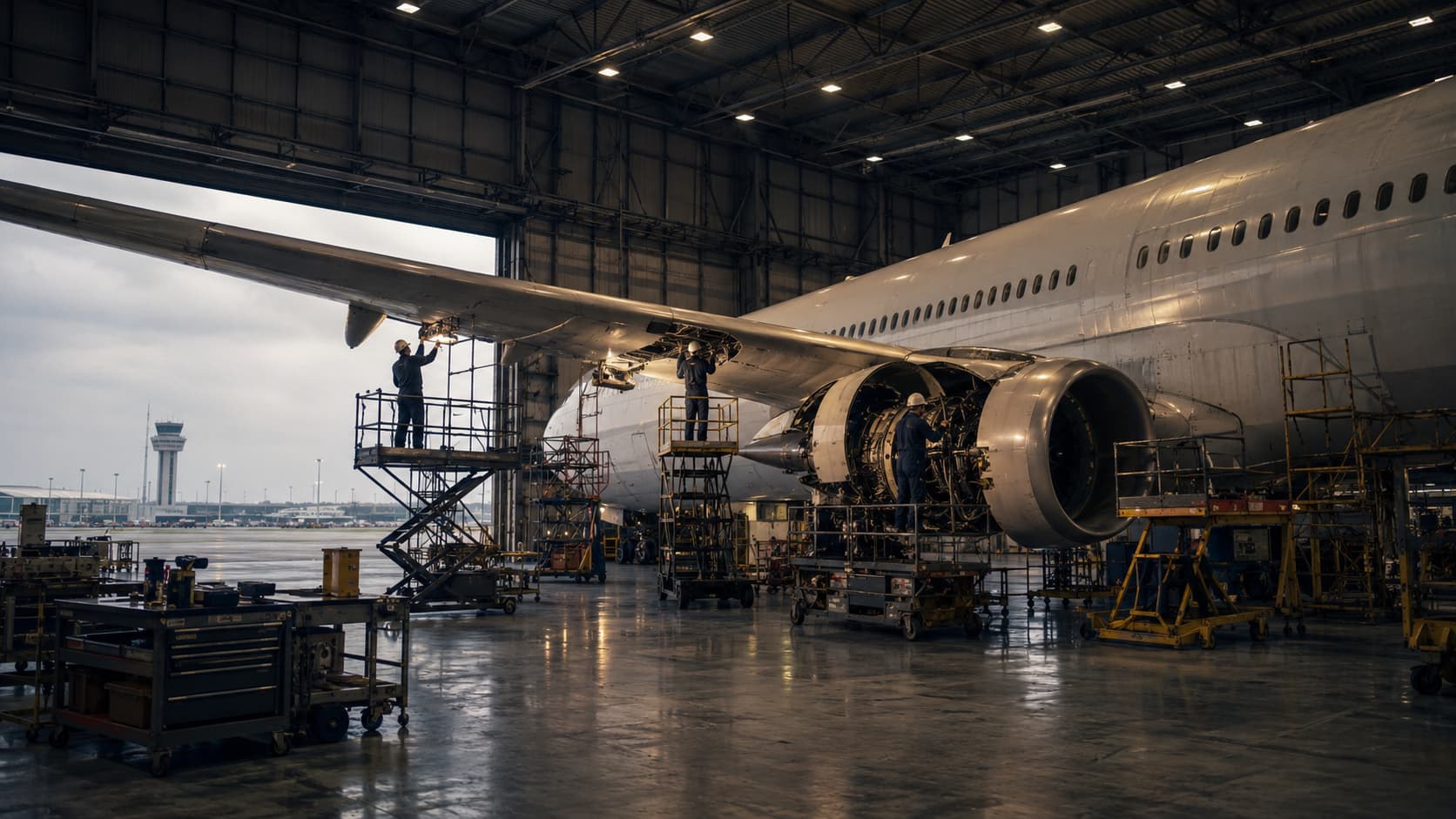
Beyond flight operations, Middle East airlines have heavily invested in in-house maintenance, engineering, and MRO ecosystems.
This has led to:
- Strong demand for licensed engineers and technicians
- Cross-border migration of technical aviation talent
- Greater focus on compliance, documentation, and fleet-specific expertise
As Gulf carriers expand maintenance capabilities, they are indirectly influencing global MRO hiring standards — particularly in regions supplying aviation manpower.
Why Middle East Airlines Carry Global Hiring Credibility
Middle East airlines are widely respected for structured, transparent, and performance-driven hiring systems.
Employers globally view Gulf airline experience as proof of exposure to:
- International SOPs
- Multi-cultural operational environments
- High-volume, high-complexity aviation systems
This credibility continues to shape how aviation professionals are evaluated worldwide.
What This Means for Aviation Professionals Worldwide
Global aviation careers are increasingly influenced by Middle East benchmarks. Professionals who align their skills and mindset with these standards find it easier to access international opportunities.
Key focus areas include:
- Safety-first culture and procedural discipline
- Clear communication across diverse teams
- Comfort with advanced aircraft and airport systems
- Willingness to operate in demanding environments
Staying visible to verified recruiters and trusted platforms like Aviation Indeed can significantly improve long-term career mobility.
The Bigger Global Trend
Middle East airlines are no longer just participants in global aviation — they are architects of its workforce standards.
As the industry moves deeper into 2026, their influence will continue to shape how airlines recruit, train, and retain talent across borders.
Global aviation is converging around shared expectations — and the Gulf is leading that convergence.