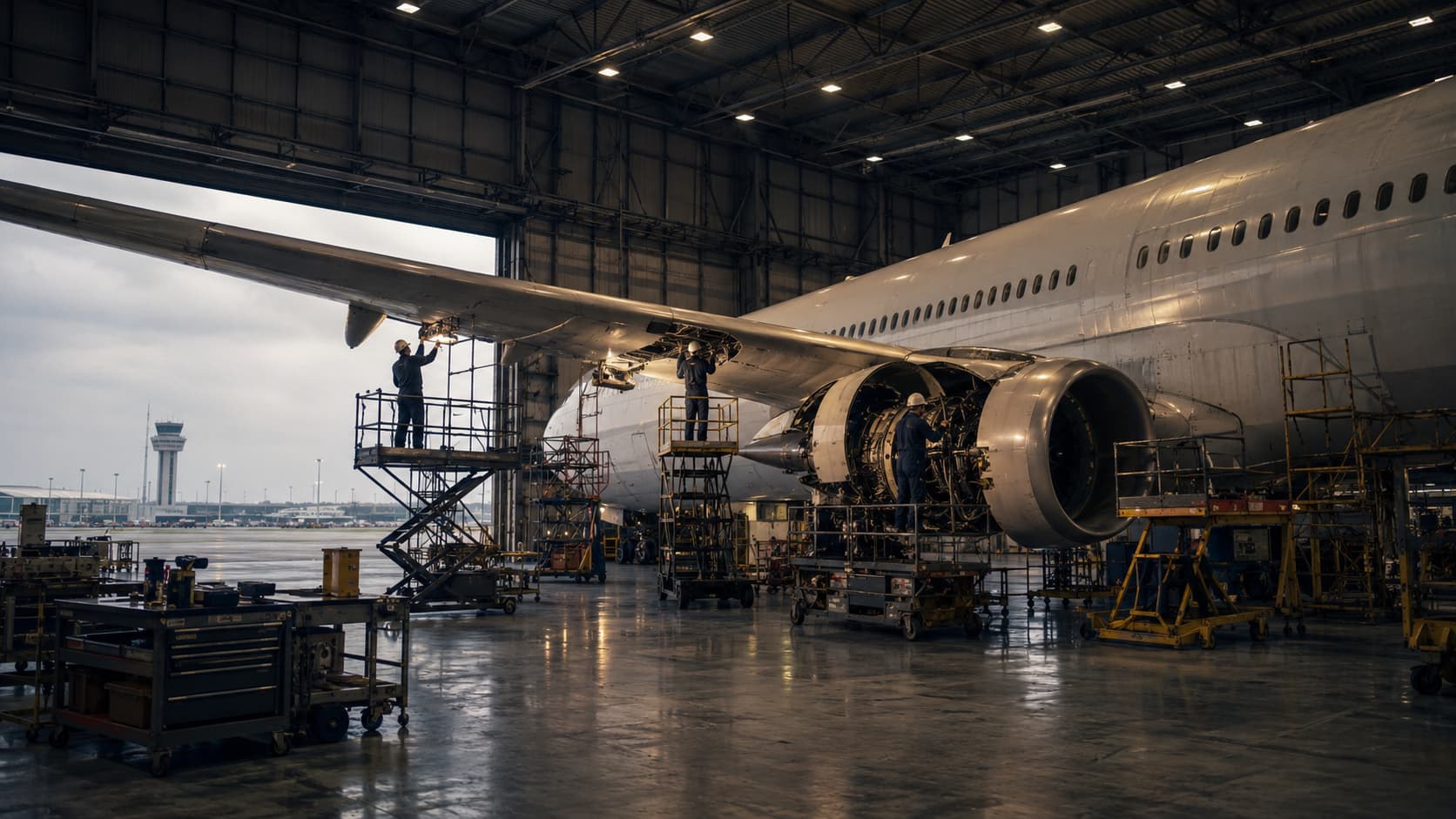
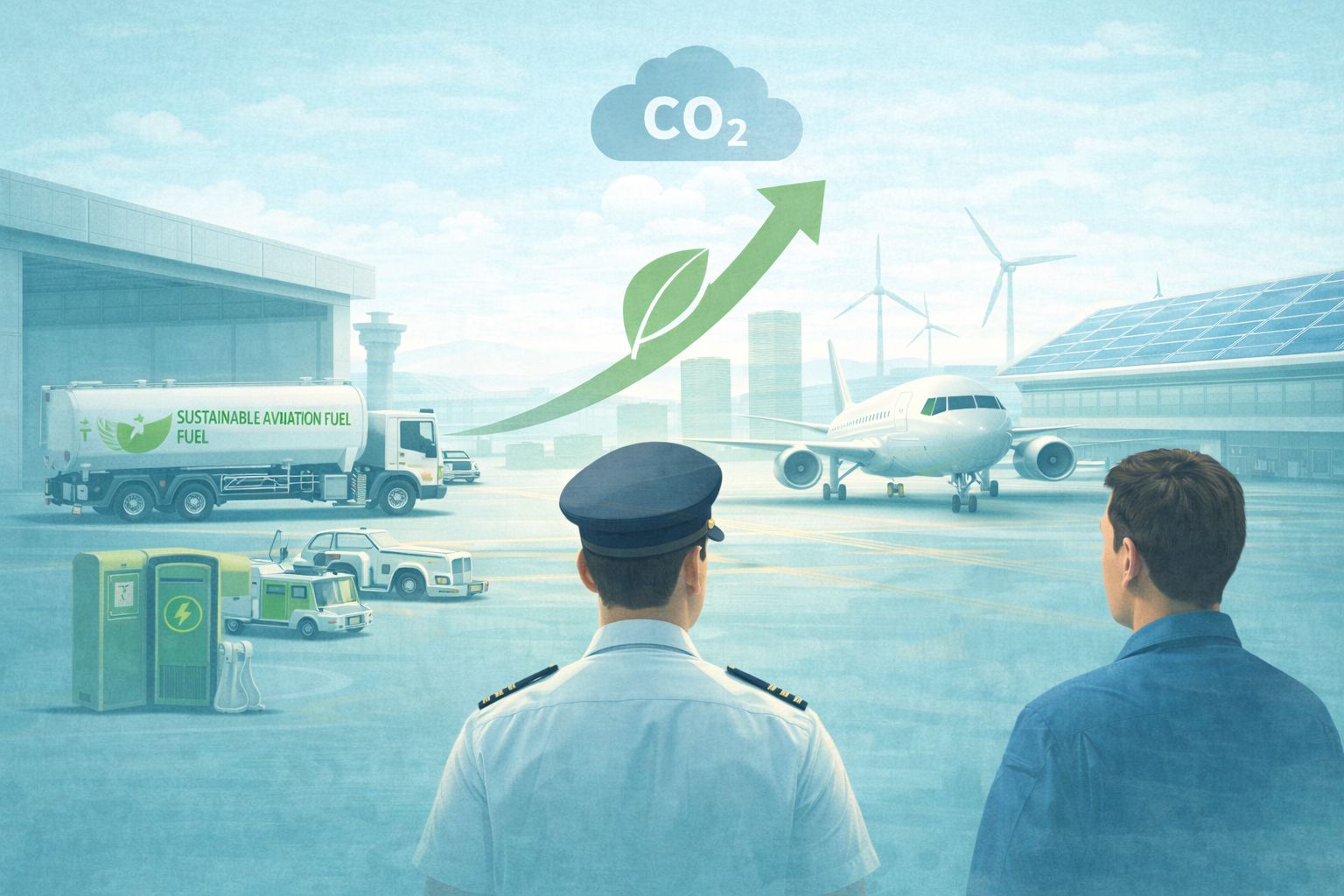
The aviation industry is entering a new phase of transformation. As airlines commit to net-zero targets and governments tighten emissions regulations, sustainability is no longer a side conversation — it is becoming part of core aviation operations.
This shift is quietly reshaping aviation careers worldwide.
For pilots, engineers, and ground operations professionals, 2026 is likely to bring a growing wave of green aviation roles that combine traditional aviation expertise with sustainability awareness. Those who understand where the industry is heading will be better positioned to adapt early.
Why Sustainable Aviation Roles Are Growing Fast
Global air traffic is recovering, but it is doing so under increasing environmental pressure. Airlines and airports are being pushed to reduce emissions, improve fuel efficiency, and demonstrate measurable progress toward sustainability goals.
Several factors are driving demand for green aviation talent:
- Expansion of Sustainable Aviation Fuel (SAF) programs
- Carbon reporting and compliance requirements
- Fleet modernisation and efficiency upgrades
- Airport sustainability mandates
- Investor and regulatory scrutiny on emissions
Because of this, many aviation organisations are beginning to build dedicated sustainability capabilities within operations, engineering, and strategy teams.
The Emerging Green Aviation Job Landscape
Green aviation careers are not limited to environmental specialists. In most cases, employers are looking for aviation professionals who can apply sustainability thinking within operational roles.
Some of the fastest-emerging roles include:
SAF Operations and Fuel Specialists
As airports expand SAF infrastructure, there is rising demand for professionals who understand fuel systems, handling protocols, and operational integration.
Emissions and Carbon Compliance Analysts
Airlines increasingly need experts who can track, report, and optimise fleet emissions in line with global frameworks such as CORSIA.
Sustainable Ground Operations Leads
Airports are focusing heavily on ramp efficiency, electric ground equipment, and turnaround optimisation to reduce fuel burn and idle time.
Aircraft Efficiency and Retrofit Engineers
With many fleets still in transition, engineers who understand performance optimisation and retrofit programs are becoming more valuable.
Professionals exploring these opportunities can monitor verified openings on the Aviation Indeed job portal.
Why Asia and the Middle East Are Key Growth Regions
While sustainability is a global priority, hiring momentum is particularly visible across Asia-Pacific and the Middle East.
Airlines and airport operators in these regions are:
- Expanding fleets while under emissions pressure
- Investing in next-generation aircraft
- Building large hub operations
- Scaling cargo and passenger capacity
This creates a unique situation: rapid aviation growth combined with sustainability obligations.
Skills Aviation Professionals Should Start Building Now
The shift toward sustainable aviation does not mean traditional aviation skills are becoming obsolete. Instead, the market is rewarding professionals who can combine operational expertise with environmental awareness.
High-value skill areas for 2026 and beyond include:
- Basic understanding of SAF operations
- Emissions reporting and data analysis
- Familiarity with CORSIA and global carbon frameworks
- Fuel efficiency and operational optimisation
- Exposure to electric or hybrid ground systems
The Reality: Talent Supply Is Still Catching Up
Despite growing demand, the supply of aviation professionals with sustainability exposure remains limited. Many organisations report that while interest in green aviation is rising, experienced candidates who understand both operations and sustainability are still relatively scarce.
Common challenges employers face include:
- Limited SAF-experienced workforce
- Training pipelines still evolving
- Certification pathways still maturing
- Cross-border hiring complexities
Because of this gap, airlines and airports are increasingly working with specialised partners offering aviation hiring solutions that focus on verified, role-ready talent.
What This Means for Aviation Careers Through 2030
The move toward sustainable aviation is gradual but clearly directional. Over the next five to ten years, sustainability awareness is expected to become a standard expectation rather than a niche advantage.
Professionals who will benefit most are those who:
- Stay close to operational excellence
- Add sustainability awareness early
- Remain flexible about evolving role requirements
- Track global aviation hiring trends
Final Thoughts
Sustainable aviation is no longer a distant industry ambition — it is steadily becoming embedded in how airlines and airports plan their future workforce.
For pilots, engineers, and aviation professionals, the opportunity is clear: build strong operational foundations while gradually adding green aviation awareness.
If you want to stay aligned with evolving aviation hiring trends, explore the latest opportunities on Aviation Indeed or browse insights in our aviation knowledge hub.